 ultimate-guide
Career Path for Construction Workers in Texas
Table of Contents
- Why Construction Workers Make Strong Candidates
- How to Become a Licensed Professional in Texas
- License Requirements in Texas
- Professional Training Online: What to Expect
- Exam Preparation and First-Attempt Success
- Codes, Standards, and Technical Knowledge You'll Need
- Your First Year: Work Environment, Schedule, and Earning Potential
- Startup Costs and Business Setup for Independent Professionals
- Frequently Asked Questions
Last Updated: October 9, 2026
Why Construction Workers Make Strong Candidates
Construction workers bring something most career-changers don't: hands-on familiarity with the systems, materials, and standards that define residential buildings. You already understand how structures are built, what can go wrong, and what inspectors look for.
Your career path isn't a leap into the unknown, it's a lateral move within the same industry. You know framing, electrical rough-ins, plumbing runs, HVAC installations, and roofing practices, and you understand building codes because you've worked under them. That experience translates directly into the technical knowledge required to evaluate a property's condition.
What you need isn't to learn construction from scratch. You need to learn how to evaluate properties, report on findings, and communicate them to homebuyers and real estate professionals, a different skill set that builds on what you already know.
The career path for construction workers is more practical than it is for people coming from unrelated fields. You're not starting from zero, you're starting from experience.
How to Become a Licensed Professional in Texas
Becoming a licensed professional in Texas follows a clear pathway set by the Texas Real Estate Commission (TREC): meeting education requirements, completing approved coursework, passing the licensing exam, and applying for your license.
This path is designed to be accessible to working professionals. You don't need to quit your job or commit to a rigid classroom schedule; most aspiring inspectors complete it while maintaining other employment.
Step 1: Meet Education and Experience Requirements
TREC requires a high school diploma or equivalent to qualify for a home inspector license. Beyond that, specific experience requirements depend on whether you're applying with construction trade experience or without it.
If you have documented construction trade experience, TREC recognizes it as qualifying background. Construction workers, electricians, plumbers, HVAC technicians, roofers, and carpenters all have trade experience that counts toward the education requirement.
Verify current experience thresholds directly with TREC, as these requirements can be updated. The key point: your construction background likely satisfies or substantially reduces any additional experience you'd need to demonstrate.
To ensure you meet every requirement, document your work history clearly. Years on job sites, the types of projects you've worked on, and any trade certifications or licenses you hold all strengthen your application.
Step 2: Complete Qualifying Education from a TREC-Approved Provider
Every person seeking a professional license in Texas must complete qualifying education (QE) from a TREC-approved provider (Become an Inspector). You cannot take the licensing exam without proof of completion.
TREC-approved providers deliver coursework covering the Texas Standards of Practice for Home Inspections, building codes, inspection techniques, and professional standards. The curriculum is standardized, but the format varies. Some providers offer in-person classroom instruction.
Online, self-paced QE has a clear advantage for career-changers: flexibility. You study when your schedule allows. You move through material at your own pace. You're not locked into classroom times or cohort timelines.
At The Inspection Academy, our curriculum integrates adult learning theory with interactive instruction and adaptive review tools, designed for working professionals who need to master material efficiently without disrupting their current income.
Step 3: Pass the TREC Licensing Exam
After completing your qualifying education, you're eligible to sit for the TREC licensing exam, a proctored, standardized test covering the Texas Standards of Practice, inspection techniques, and professional responsibilities.
The exam covers material from your QE coursework, and thorough preparation can improve your chances of passing on your first attempt.
Many providers include exam prep resources as part of their QE program. Review tools, practice questions, and adaptive learning apps help you identify weak areas and build confidence before test day.
Step 4: Apply for Your License
Once you've passed the TREC exam, you apply for your home inspector license through TREC's official channels, submitting your exam results, proof of qualifying education completion, and any required documentation. TREC reviews your application and issues your license.
At that point you are a licensed professional in Texas, able to conduct evaluations, sign reports, and operate independently or work for a company.
License Requirements in Texas
TREC sets the requirements for professional licensure in Texas. Understanding them before you start helps you plan your timeline realistically.
The core requirements are straightforward: high school diploma or equivalent, completion of TREC-approved qualifying education, and passing the TREC licensing exam. For someone with construction trade experience, the process is simplified because your background counts as relevant experience.
TREC also requires that you understand and can apply the Texas Standards of Practice. These standards define what inspectors must evaluate, how they must conduct inspections, and what they must report.
Professional liability insurance is standard in the industry, though specific requirements may vary. Many companies require it as a condition of employment, and if you operate independently, it protects you against claims and builds credibility with clients and real estate professionals.
Your license requirements in Texas are designed to ensure competency and protect the public. Meeting them positions you as a qualified professional, which matters for your credibility.
For the most current and detailed requirements, consult TREC directly or visit their official website, since regulations can be updated as you plan your transition.
Professional Training Online: What to Expect
Online training has evolved significantly. It's no longer passive video lectures. Modern platforms combine interactive instruction, real-world case studies, adaptive learning tools, and direct access to instructors.
When you choose online training, expect a structured curriculum covering the Texas Standards of Practice, building systems (electrical, plumbing, HVAC, structural), common defects and safety issues, inspection techniques, report writing, and professional standards.
Self-paced courses let you control your timeline. You can study intensively over a few weeks or spread coursework over several months if you're balancing other commitments.
Interactive elements matter more than you might expect. Video demonstrations of evaluation techniques, walkthroughs of actual properties, and case studies of real scenarios help you visualize what you'll encounter on the job.
Access to instructors or support teams is a practical advantage.
Adaptive review tools, like the Bulletproof Test Prep app included with The Inspection Academy's program, personalize your exam preparation.
Exam Preparation and First-Attempt Success
Passing the TREC licensing exam on your first attempt saves time and money. Retaking the exam means additional fees and delayed licensure. Thorough preparation before test day is the most practical investment you can make.
Effective exam prep starts during your qualifying education, not after you've finished coursework. As you work through QE material, actively test yourself.
Review tools should be adaptive, meaning they adjust to your performance. If you consistently answer electrical systems questions correctly, the tool focuses your remaining study time on areas where you're weaker.
Practice exams matter. Taking full-length, timed practice tests under conditions similar to the actual exam helps you build stamina and identify timing issues.
Study groups or peer discussion can help, but be selective. Discussing concepts with others preparing for the exam can deepen understanding, and reasoning through why one answer is correct reinforces learning.
The week before your exam, review high-impact topics rather than trying to learn new material. Focus on areas you've struggled with. Get adequate sleep the night before. Show up early.
Codes, Standards, and Technical Knowledge You'll Need
Professionals evaluate properties against the Texas Standards of Practice. These standards define what you must evaluate, how thoroughly, and what you must report. They're your professional baseline.
Beyond the standards, you need working knowledge of building codes and construction practices. This is where your construction background becomes invaluable.
Structural knowledge matters significantly. You need to understand foundation types, framing systems, load paths, and common structural issues.
Building systems, electrical, plumbing, HVAC, and water heating, are central to every evaluation.
Safety standards are critical.
Technical knowledge also includes understanding common defects and their implications. What does a water stain on a ceiling mean? How do you distinguish cosmetic issues from structural problems?
Your construction experience provides the foundation. Your qualifying education fills in the evaluation-specific knowledge. Together, they position you to evaluate properties competently and communicate findings clearly to clients.
Your First Year: Work Environment, Schedule, and Earning Potential
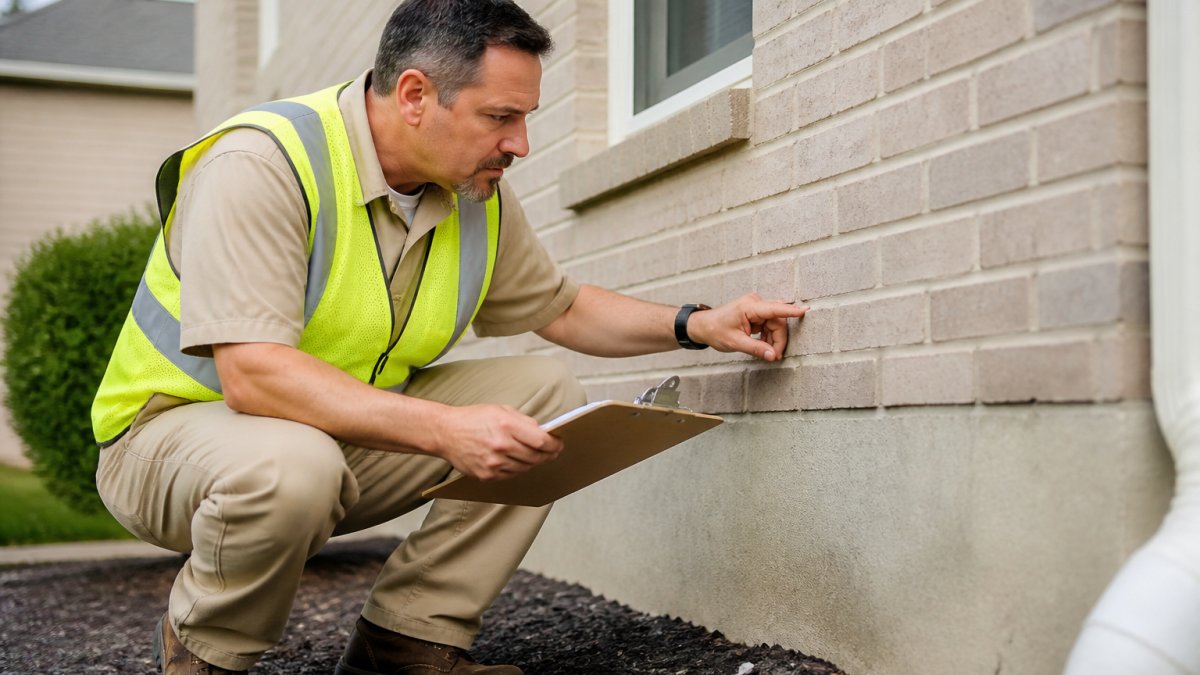
Your first year as a licensed professional involves both opportunities and realities worth understanding upfront.
The work environment varies depending on whether you work for a company or operate independently.
Independent operation, running your own business, offers autonomy and higher earning potential but requires business management skills, marketing, client acquisition, and all the overhead of self-employment.
The work itself is physically demanding.
The schedule is often irregular. Evaluations happen when properties are available, evenings and weekends are common because sellers and buyers coordinate around work schedules.
Earning potential depends on inspection volume and fees. New inspectors typically conduct fewer inspections while building their reputation and client network.
First-year expectations should be realistic. You're building a business (whether as an employee or independent operator). You're developing reputation and client relationships.
Startup Costs and Business Setup for Independent Professionals
If you plan to operate independently, understand the startup costs and business requirements before you launch.
Essential equipment includes evaluation tools: moisture meters, thermal imaging cameras, electrical testers, flashlights, ladders, and protective gear.
Professional liability insurance is critical. It protects you if a client claims you missed a defect or your report was inaccurate.
Business registration, licensing, and compliance vary by location.
A professional website and online presence help clients find you and understand your services.
Report writing software or templates simplify your documentation.
Transportation is an ongoing cost. You're driving to inspection sites regularly. A reliable vehicle is essential.
First-year operating costs are real.
The path from construction worker to licensed professional is straightforward because your background gives you a head start.
The Inspection Academy's online, self-paced qualifying education is designed specifically for working professionals making this transition.
Frequently Asked Questions
Does construction experience help you become a licensed home inspector?
Yes, significantly. Construction experience gives you a foundation in building systems, structural components, electrical and plumbing work, and code compliance, all critical to property evaluation. You already understand how buildings are constructed and maintained, which accelerates learning during qualifying education. However, you'll still need formal TREC-approved training to learn evaluation-specific standards, reporting requirements, and liability considerations that differ from construction work.
What are the steps to become a licensed home inspector in Texas?
First, verify you meet TREC's education and experience requirements. Then complete a TREC-approved qualifying education program designed for your background. Next, study for and pass the TREC licensing exam. Finally, submit your application to TREC with proof of completion and exam passage. The timeline depends on your pace through qualifying education, but many working professionals complete the path while maintaining full-time employment by studying nights and weekends.
Can you study for a home inspector license while working full time?
Yes. Online, self-paced qualifying education allows you to study on your schedule, early mornings, evenings, or weekends. Many career-changers from teaching, law enforcement, military, and firefighting backgrounds balance full-time work with exam preparation. The key is consistent, focused study time and access to adaptive learning tools that help you master material efficiently rather than spending hours on passive video content.
How long does it take to complete the required licensing education?
The timeline varies based on your pace and prior experience. TREC sets specific education requirements, but completion speed depends on how quickly you work through the material. Self-paced online programs let you accelerate if you have more study time available or move slower if juggling other commitments. Many students complete qualifying education within weeks to a few months while working full-time.
Is being a home inspector a good career for construction workers?
Yes, for several reasons. Your construction background directly transfers to the role, you understand building systems, safety standards, and structural components. The career offers independence (many professionals are self-employed), flexible scheduling, and steady demand for qualified professionals. First-year income and workload vary based on your business development, but the career path is viable for construction workers seeking a transition into licensed, independent work.
What happens if I fail the TREC licensing exam on my first attempt?
You can retake the exam after addressing gaps in your knowledge. Choosing a qualifying education provider that focuses on first-attempt success, through adaptive test prep and direct access to instructors, significantly reduces the risk of failure. Some providers offer guarantees that protect your investment if you don't pass on the first try, giving you confidence that your tuition and study effort are protected.