 ultimate-guide
How to Become a Licensed Professional in Texas: 2026 Guide
Table of Contents
- Understanding the Path to Becoming a Licensed Professional in Texas
- TREC Professional Requirements and License Levels
- Qualifying Education Online and Coursework
- Apprenticeship Requirements and Field Experience
- Texas Licensing Exam Preparation and State Licensing Exam
- Background Check, Fingerprinting, and Application Process
- Insurance, Equipment, and Startup Costs for Independent Professionals
- Common Pitfalls and How to Avoid Application Delays
- Frequently Asked Questions
Last Updated: October 4, 2026
Understanding the Path to Becoming a Licensed Professional in Texas
Switching careers is intimidating, especially when you're starting from scratch. But becoming a licensed professional in Texas is more achievable than you might think, particularly if you're willing to learn on your own schedule. The path to licensure involves specific steps set by the Texas Real Estate Commission (TREC), but the process itself is straightforward once you understand what's required.
Whether you're coming from teaching, law enforcement, the military, firefighting, or any other field, you don't need construction experience to succeed. This guide walks you through exactly how to become a licensed professional in texas 2026, breaking down each requirement so you can move forward with confidence.
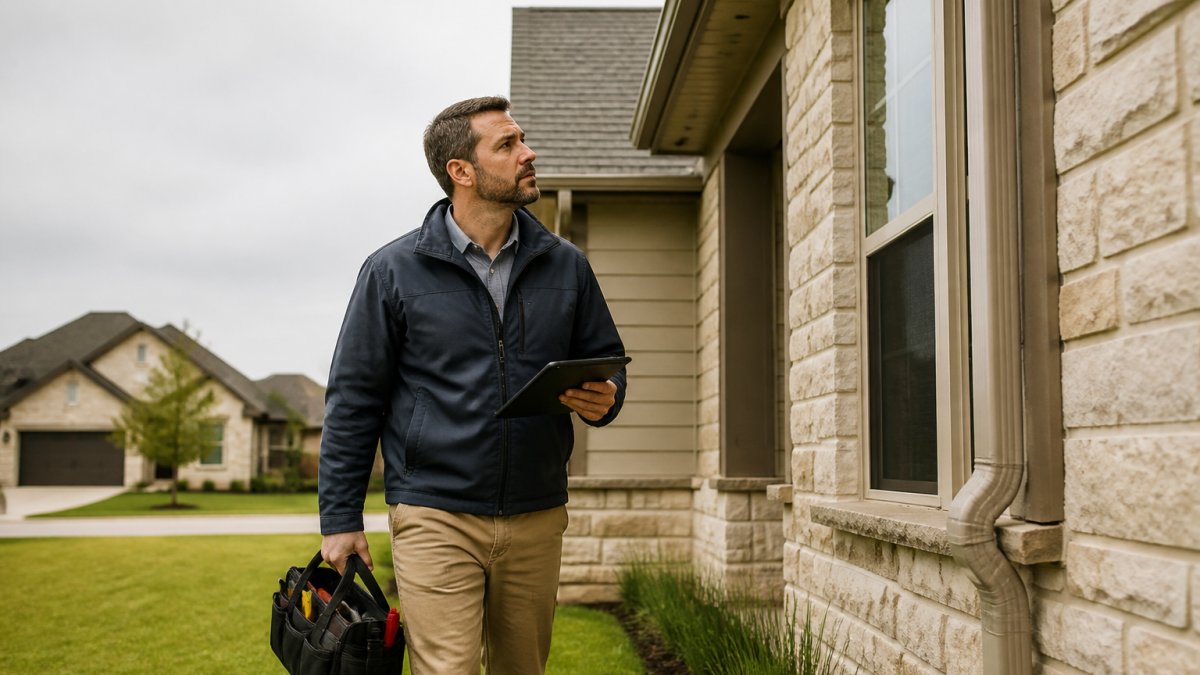
The licensing path in Texas is governed by TREC, which oversees all professional licensing. TREC requires candidates to complete approved qualifying education, pass a state examination, and meet background requirements.
TREC Professional Requirements and License Levels
TREC offers two main license types for professionals: the Apprentice License and the Professional License. Understanding the difference between these levels is the first step in planning your path forward.
Apprentice License
An Apprentice License allows you to perform work under the supervision of a licensed Professional. This license is your entry point if you're new to the field and need to gain practical experience before moving to the Professional level.
To qualify for an Apprentice License, you must complete TREC-approved qualifying education (Become a Licensed Professional). The coursework covers the Standards of Practice, legal and ethics requirements, and inspection fundamentals. After completing your qualifying education and passing the state licensing exam, you can apply for your Apprentice license.
As an Apprentice, you'll work under a sponsor, a licensed Professional who supervises your field work. This apprenticeship period is where you'll build hands-on skills and document your supervised field experience. Many people find this phase invaluable because it provides real-world training from someone already working in the field.
Professional License
The Professional License is the full, independent license that allows you to operate your own business or work independently. To qualify, you must first hold an active Apprentice license and complete the required supervised field experience hours. TREC specifies how many inspections you need to document and the types of properties you must inspect.
Once you've met the field experience requirement, you apply for your Professional license with TREC. This is the credential that opens the door to building your own client base and running an independent inspection business.
Qualifying Education Online and Coursework
Your qualifying education is the foundation of your path to licensure. TREC-approved providers deliver coursework that covers everything from the Standards of Practice to legal and ethical obligations, property systems, and defect identification.
The advantage of online, self-paced qualifying education is flexibility. You can study around your current job, family obligations, and life schedule. Many career-changers choose this format specifically because it allows them to transition without taking a pay cut or leaving their current position.
Look for a qualifying education provider that uses adult learning principles, content designed for working professionals. Interactive courses, real-world examples, and adaptive review tools make the material stick better than passive video lectures or PDF reading.
When you enroll in qualifying education, you're learning the material you'll need to pass the state licensing exam. That's why it's worth choosing a provider that takes exam preparation seriously.
At The Inspection Academy, we've built our qualifying education curriculum specifically for professionals making this career transition.
Apprenticeship Requirements and Field Experience
After you pass your state exam and earn your Apprentice license, the next phase is supervised field experience. This is where theory meets reality. You'll conduct actual work under the guidance of a licensed Professional.
TREC requires that you document your supervised field experience, the number of inspections, property types, and the scope of work you performed. This isn't busywork; it's a critical part of your development as an inspector. You'll see how experienced inspectors identify defects, communicate findings to clients, and handle real-world inspection scenarios.
Finding a Sponsor and Building Your Network
One of the biggest questions apprentices face is: how do I find a sponsor? A sponsor is a licensed Professional who agrees to supervise your apprenticeship and sign off on your field experience hours.
Finding a sponsor often comes down to networking. Here are practical ways to connect with potential sponsors:
- Reach out to local companies and ask if they mentor apprentices
- Attend local real estate or professional association meetings
- Connect with professionals through online professional networks
- Ask your qualifying education provider if they have connections or recommendations
- Volunteer or work part-time with an inspection company to build relationships
When you approach a potential sponsor, be clear about what you're asking: supervision of your apprenticeship and documentation of your field experience. Most experienced inspectors remember being apprentices themselves and understand the value of mentoring the next generation.
Building this relationship early, even before you complete your qualifying education, can smooth your transition into the field experience phase. Some apprentices find sponsors who are willing to discuss the work before they're officially licensed, which helps both parties understand if the fit is right.
Documenting Your Supervised Field Experience
TREC requires you to document each inspection you perform during your apprenticeship. This documentation includes details about the property, the scope of the inspection, and your role in the process. Your sponsor must verify and sign off on this documentation.
Keep detailed records from day one. Document the date, property address, property type, and what you inspected. This isn't just a regulatory requirement, it's your proof that you've gained the experience needed to move to your Professional license.
The documentation process might feel tedious, but it serves a purpose: it ensures that apprentices are actually conducting meaningful inspections, not just shadowing. TREC reviews these records when you apply for your Professional license, so accuracy and completeness matter.
Texas Licensing Exam Preparation and State Licensing Exam
Passing the state licensing exam is the gateway to your Apprentice license. The exam tests your knowledge of the Standards of Practice, legal and ethical requirements, and system identification.
The exam is challenging, but it's absolutely passable with proper preparation. Many career-changers worry that they lack construction background, but the exam doesn't assume you're a carpenter or electrician.
Effective exam prep requires more than reading course materials once. You need active review: practice questions, repeated testing, and focused study on weak areas. This is where adaptive test prep tools make a real difference.
Start your exam preparation during your qualifying education, not after you finish it. The sooner you begin practice testing, the sooner you'll identify which topics need more attention.
According to TREC's official licensing information, you'll need to verify current exam requirements and registration procedures directly with the commission, as these details may update periodically.
Background Check, Fingerprinting, and Application Process
Before you can be licensed, TREC requires a background check and fingerprinting. This is a straightforward process, but it's mandatory for all applicants.
The background check reviews your criminal history and financial responsibility. Most career-changers have no issues with this step, but it's worth understanding what TREC looks for.
Fingerprinting is handled through a designated vendor. You'll visit a location to have your prints taken, and TREC will process them as part of your application.
When you apply for your license, you'll submit your application through TREC's online portal. You'll need to provide proof of your qualifying education completion, exam scores, and background check clearance. Have all documents organized and ready before you submit; incomplete applications delay licensing.
Insurance, Equipment, and Startup Costs for Independent Professionals
Once you're licensed and ready to operate independently or start your own business, you'll need to consider practical startup requirements.
Professional liability insurance (also called errors and omissions insurance) is essential. This protects you if a client claims you missed a defect or made an error in your report.
You'll also need basic equipment: a moisture meter, thermal imaging camera, multimeter, flashlight, and other tools for conducting thorough work. Quality equipment is an investment, but it's necessary for professional work. Many inspectors build their toolkit gradually rather than buying everything at once.
Additional startup costs may include business licensing, liability insurance, vehicle expenses if you're traveling to inspection sites, and software for report writing and client management.
The key is to understand these costs before you launch so you can plan accordingly. Many career-changers underestimate startup expenses, so budget conservatively and build in a cushion.
Common Pitfalls and How to Avoid Application Delays
Career-changers often encounter preventable delays in their licensing journey. Knowing what to watch for can help you move through the process smoothly.
Incomplete qualifying education. Some candidates rush through coursework without actually mastering the material, then struggle on the exam.
Poor exam preparation. The state exam is not a memorization test; it requires understanding and application.
Delayed sponsorship arrangement. Waiting until after you pass your exam to find a sponsor can stall your apprenticeship phase.
Incomplete or inaccurate documentation. Once you're in your apprenticeship, meticulous record-keeping is non-negotiable. Incomplete documentation can delay your Professional license application.
Overlooking TREC updates. TREC requirements and procedures can change. Verify current requirements directly on TREC's official website rather than relying on outdated information.
Underestimating the importance of your sponsor relationship. Your sponsor is not just a checkbox; they're your mentor and your advocate.
Becoming a licensed professional in Texas is a realistic career path for someone willing to commit to the process.
The Inspection Academy has helped hundreds of career-changers navigate this exact path.
Frequently Asked Questions
How long does it take to become a home inspector in Texas?
The timeline varies depending on your pace. Qualifying education can typically be completed in weeks to a few months if pursued full-time, or longer if balanced with current employment. The apprenticeship phase, which requires supervised field experience, generally takes 6-12 months or more depending on how quickly you complete the required number of inspections. Your total path to licensure depends on your schedule and how rapidly you secure a sponsoring inspector.
What are the main TREC home inspector requirements I need to know?
TREC (Texas Real Estate Commission) requires completion of a TREC-approved qualifying education course, supervised field experience under a licensed inspector, passage of the state licensing exam, a background check and fingerprinting, and professional liability insurance. You'll also need to apply for either an Apprentice or Professional Real Estate Inspector license. Exact hour requirements and fees change, so verify current requirements directly with TREC to ensure you have the most up-to-date information.
Can I complete home inspector qualifying education online if I'm working full-time?
Yes. Online, self-paced qualifying education allows you to study on your own schedule, making it possible to balance training with full-time work. You can progress through courses at your own pace, reviewing material when you have time available. This flexibility is especially valuable for career-changers from teaching, law enforcement, military, or firefighting backgrounds who need to maintain income while transitioning into the inspection field.
What happens if I don't pass the state licensing exam on my first attempt?
If you don't pass, you can retake the exam after meeting any required waiting periods set by TREC. You'll need to cover the exam retake fee. Some qualifying education providers offer guarantees or support programs to help you prepare for a second attempt. It's important to choose a program that provides strong exam preparation and review tools to maximize your chances of first-attempt success.
How do I find a sponsor or mentor for the apprenticeship phase?
Finding a sponsoring inspector is one of the most critical steps. Start by networking within your local real estate and construction communities, attending industry meetups, and reaching out to licensed inspectors in your area. Many inspectors are willing to mentor apprentices, especially if you've completed your qualifying education and demonstrate commitment. Building genuine professional relationships increases your chances of securing a sponsor.
What equipment and startup costs should I expect as a new home inspector?
Initial equipment needs include inspection tools (moisture meters, electrical testers, ladders, thermometers, and cameras), a vehicle for traveling to inspection sites, professional liability insurance, and business licensing fees. Costs vary widely based on the quality of equipment you choose and whether you start as an employee under a sponsor or launch independently. Budget for these expenses as you plan your career transition.