 listicle
Best Online Home Inspection Courses for Texas
Table of Contents
- What to Look for in Online Home Inspection Courses
- How to Become a Home Inspector in Texas
- Texas Home Inspector Qualifying Education: What's Included
- Home Inspector Licensing Exam Preparation
- Self-Paced Home Inspector Courses for Career-Changers
- Key Features That Set Programs Apart
- Getting Started: Your Next Steps
- Frequently Asked Questions
Last Updated: October 7, 2026
What to Look for in Online Home Inspection Courses
Choosing the right online inspector training course shapes your entire path to licensure.
At The Inspection Academy, we've built our qualifying education specifically for people like you, career-changers balancing work, family, and the push toward a new profession. The best online inspector training courses combine TREC approval, interactive learning design, and real exam preparation into one coherent package. Let's walk through what actually matters.
TREC Approval and Qualifying Education Standards
Your course must be TREC-approved to count toward licensure. TREC (Texas Real Estate Commission) sets the rules for home inspector licensing in Texas, and they require completion of a qualifying education program before you can sit for the exam.
When you're evaluating programs, verify the provider's TREC approval status directly on the TREC website. The Inspection Academy, for example, holds TREC approval as a qualifying education provider. This matters because it means the curriculum has been reviewed and meets state standards. A course that isn't TREC-approved won't count, no matter how good it is.
Self-Paced Learning for Working Professionals
Online, self-paced delivery isn't just convenient, it's essential when you're juggling a current job with career transition.
Self-paced means you control the schedule, not the other way around. You move through material as fast or slow as you need. Some people finish in weeks; others take months. That flexibility is the real value of online delivery.
The best programs pair self-paced access with built-in accountability. That might mean regular quizzes, progress tracking, or direct access to instructors when you get stuck.
Exam Preparation and Support
Here's the hard truth: completing the course isn't the same as passing the exam. Some programs treat exam prep as an afterthought, a few practice tests tacked on at the end.
Look for programs that include adaptive test prep tools. These aren't just random practice questions.
Also ask about pass rates. If a program claims high first-attempt success, ask how they measure it and what their actual numbers are. Be skeptical of vague claims.
How to Become a Home Inspector in Texas
The path to licensure follows a clear sequence: meet the requirements, complete qualifying education, pass the exam. Understanding this pathway removes a lot of the mystery around the process.
Meet TREC Licensing Requirements
Before you enroll in any course, verify that you meet TREC's baseline requirements for inspector licensure. These requirements exist to ensure that inspectors have the foundational knowledge and experience the state deems necessary. TREC publishes these requirements on their website, and they can change, so verify current standards directly with TREC rather than relying on outdated information.
Generally, TREC requires completion of a qualifying education program, but the specific hour requirements and other prerequisites are best confirmed through official TREC channels. This protects you from enrolling in a program that doesn't align with current rules.
Complete Your Qualifying Education
This is where online inspector training courses come in. Your qualifying education must be TREC-approved. During the course, you'll cover core inspection topics, Texas Standards of Practice, legal and ethics requirements, and inspection procedures. The curriculum is designed to give you both the technical knowledge and the regulatory understanding you need.
Self-paced programs let you complete this on your timeline. Some students finish in a few weeks of intensive study; others spread it over several months while working full-time. The key is consistent engagement. Cramming the entire course into a weekend rarely produces strong exam performance.
Pass the Licensing Exam
After completing your qualifying education, you're eligible to sit for the TREC licensing exam. This is a comprehensive test covering everything you learned in the course. It's not a trick test, but it is thorough. Programs that include strong exam preparation, practice tests, adaptive review tools, and instructor support, significantly improve your odds of passing on the first attempt.
The exam is your final gate to licensure. Passing it opens the door to working as a licensed inspector in Texas.
Texas Home Inspector Qualifying Education: What's Included
Every TREC-approved qualifying education program covers core material, but the depth, interactivity, and teaching approach vary. Here's what you should expect to encounter.
Core Curriculum Topics
The curriculum covers the technical and regulatory foundation of the inspection profession. You'll study building systems, structural components, HVAC, electrical, plumbing, and appliances.
Beyond the technical content, qualifying education includes legal and ethics training specific to Texas. This covers your obligations as a licensed inspector, fair housing laws, and professional conduct standards. It's not thrilling material, but it's critical.
The best programs present this material in a way that connects to real inspection scenarios. Instead of abstract rules, you see how they apply to actual homes and situations.
Standards of Practice and Legal Requirements
Texas Standards of Practice (SOP) define what licensed inspectors must do and what they're not required to do (Real Estate Inspector Standards of Practice (SOP) - Online Version). This distinction matters. Your SOP review teaches you the scope of a proper inspection, what you document, and what you can reasonably defer or exclude.
Legal requirements cover licensing rules, disclosure obligations, and the regulatory framework governing your profession. Understanding these isn't optional, it's foundational to working legally in Texas.
Home Inspector Licensing Exam Preparation
The exam is the final hurdle. It's comprehensive, and it requires focused preparation. The difference between programs that include strong exam prep and those that don't shows up in pass rates.
Adaptive Test Prep Tools
Adaptive test prep adjusts to your learning needs. Instead of taking the same 100-question practice test repeatedly, adaptive tools identify your weak areas and serve you more questions on those topics. This is far more efficient than generic practice tests.
The Bulletproof Test Prep app, included with The Inspection Academy, works this way. It learns from your performance and focuses your study time where it matters most. Over time, your weak areas strengthen, and your overall readiness improves. This targeted approach is why students who use adaptive tools tend to pass at higher rates.
Practice Exams and Performance Tracking
Beyond adaptive review, real practice exams simulate the actual licensing exam. These full-length tests help you build stamina and get comfortable with the format and pacing. Performance tracking shows you where you stand and where to focus remaining study time.
The best programs let you retake practice exams and track improvement over time. Watching your score climb as you study is motivating and gives you concrete evidence of progress.
Self-Paced Home Inspector Courses for Career-Changers
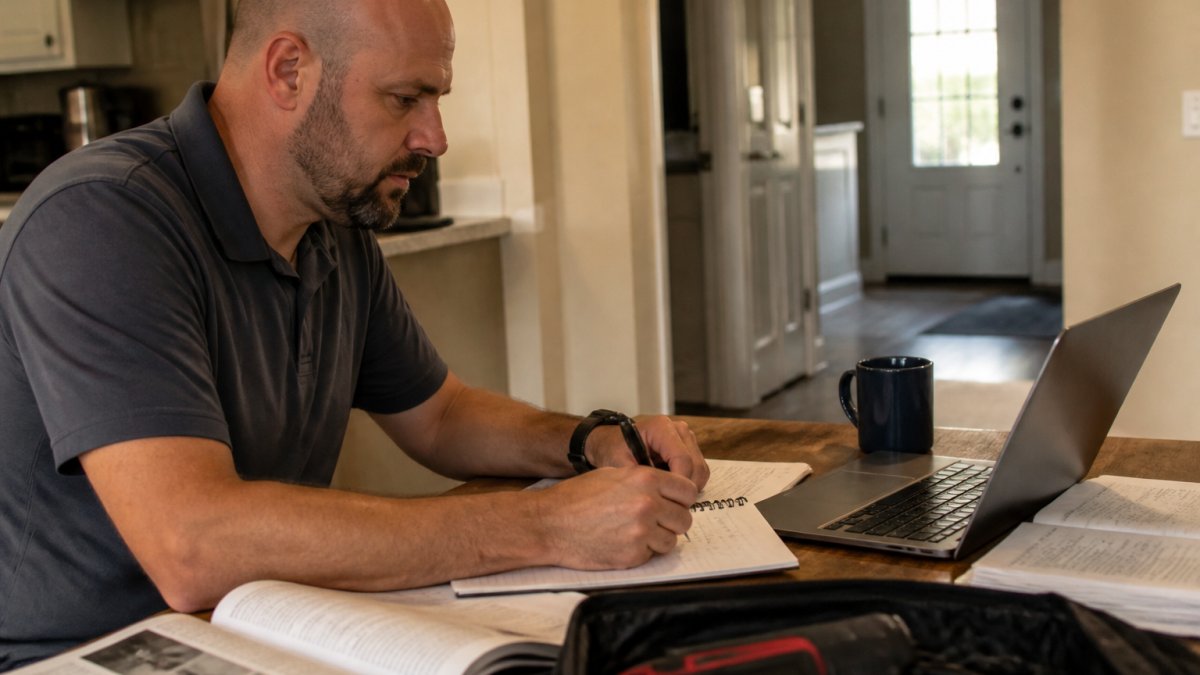
If you're coming from teaching, law enforcement, firefighting, or another field entirely, you're not alone. Many people transition into home inspection as a second career. Self-paced online courses are built for exactly this situation.
Flexibility Without Sacrificing Quality
Self-paced doesn't mean low-quality. It means you control when you engage with the material. A well-designed self-paced program maintains rigor while accommodating your schedule.
This matters if you're working full-time. You can study before work, during breaks, or late at night without waiting for a class schedule.
The trade-off is that self-paced requires self-discipline. You don't have an instructor pushing you through material on a fixed timeline. You have to push yourself.
Direct Access to Program Creators and Support
When you're stuck on a concept or have a question about exam strategy, fast support makes the difference. Some programs route you through generic customer service. Others give you direct access to the instructors who built the course.
Direct access to program creators means you're talking to people who know the material deeply and understand the Texas licensing landscape.
This kind of support is invaluable when you're transitioning careers. You're not just learning material; you're learning how to think like an inspector.
Key Features That Set Programs Apart
When you're comparing online inspector training courses, several features separate the strong programs from the mediocre ones.
First-Attempt Success Rates and Guarantees
Not all programs track or publish their first-attempt pass rates. Those that do are confident in their preparation. If a program won't share this data, that's a red flag. The Inspection Academy publishes an 83% first-time pass rate because the numbers reflect the quality of the program.
Some programs offer guarantees. A 100% tuition-back guarantee if you don't pass on your first attempt is a meaningful commitment. It means the program is willing to stand behind its preparation.
Adult Learning Theory and Interactive Design
The best programs are built on adult learning theory, which recognizes that adults learn differently than children. Adults learn better when they understand why material matters, when they can connect it to real experience, and when they have agency in the learning process.
Programs designed with this in mind use interactive elements, scenarios, real inspection examples, decision-making exercises, rather than just videos and PDFs. They explain the reasoning behind standards and procedures, not just the rules themselves.
Flexible Payment and Affordability
Cost matters, especially when you're transitioning careers. Look for programs that offer flexible payment options. Zero-interest payment plans let you spread the cost over time instead of paying everything upfront. This matters when you're juggling a current job and course expenses.
Compare total cost carefully. The cheapest option isn't always the best value if it doesn't include exam prep, instructor support, or a pass guarantee. A program that's slightly more expensive but includes strong support and a guarantee might save you money in the long run by reducing the risk of failing and having to repeat.
Getting Started: Your Next Steps
You don't have to commit fully before exploring. Most solid programs offer low-risk ways to test the waters.
The Inspection Academy offers a free 48-hour course access to the Texas Standards of Practice material, plus a free sample licensing exam.
Take the free sample exam. It's a real indicator of what the licensing exam covers and where your knowledge gaps might be.
Frequently Asked Questions
What makes a good online home inspection course for Texas?
Look for TREC-approved qualifying education from a provider that understands adult learners. The best courses combine interactive instruction with exam-focused test prep tools, offer flexible self-paced study, and provide direct access to instructors or program creators. A strong program also includes practice exams, performance tracking, and support built for working professionals balancing study with full-time jobs.
How long does it take to complete self-paced home inspector courses?
Self-paced courses let you set your own timeline. Many working professionals complete qualifying education while maintaining their current job by studying nights and weekends. The actual completion time depends on how much time you dedicate each week. Verify the specific course hours required with your provider and TREC, as these can vary.
Can I really complete Texas home inspector qualifying education entirely online?
Yes. TREC-approved online qualifying education providers deliver the full curriculum online in self-paced formats. You complete coursework, review Standards of Practice, study legal and ethics requirements, and prepare for the licensing exam, all without attending in-person classes. This format works well for career-changers who need flexibility.
What happens if I don't pass the licensing exam on my first attempt?
Some programs offer a tuition-back guarantee if you don't pass on your first try, meaning you can retake the course at no additional cost. This is a significant safety net for career-changers worried about the investment. Always confirm the exact terms and any conditions that apply before enrolling.
Do I need construction experience to succeed in an online home inspection course?
No. Quality online courses are designed to teach from the ground up, assuming no prior construction background. They cover building components, inspection procedures, and Standards of Practice in plain language. If you're coming from teaching, law enforcement, the military, or firefighting, a well-structured program will bring you up to speed.
The path from your current career to licensed home inspector in Texas is real and achievable. The right qualifying education program removes the guesswork and gives you a structured, results-driven path forward. The Inspection Academy is built for exactly this transition, online, self-paced, TREC-approved, and designed with first-attempt success as the goal. Start with the free resources to see if it's the right fit. Your next career is closer than you think.